
Is done ADHD covered by insurance?
Understanding Insurance Coverage for ADHD Treatment
 Dr Jonathon Preston
Understanding Insurance Coverage for ADHD Treatment
Exploring Insurance Coverage for ADHD Treatment Options
Changes in federal health leadership can influence how the United States approaches diagnosis, treatment, research, education, and access to care. That makes new appointments during a Trump administration relevant to families and adults affected by attention-deficit/hyperactivity disorder (ADHD). However, appointments alone do not create a new standard of care. Their significance depends on the policies … Read more
Exploring the Unique Advantages of Living with ADHD
Understanding the 10-3 Rule for ADHD Management
Understanding ADHD Insurance Coverage: Key FAQs Explained
Exploring Government Support for Individuals with ADHD
Getting coverage for ADHD care can involve more than finding a clinician or choosing a medication. Families may need to understand plan rules, provider networks, prior authorization requirements, deductibles, and the difference between medical treatment and educational support. Political debates, including those described through a Trump-Kennedy health care lens, can add another layer of uncertainty. … Read more
Getting ADHD care through Medicare can involve more than finding a clinician and filling a prescription. Beneficiaries may need to compare plan rules, confirm provider participation, understand prescription formularies, and plan for deductibles or copayments. These practical issues become especially important when healthcare policy is changing or being debated, as reflected in discussions of the … Read more
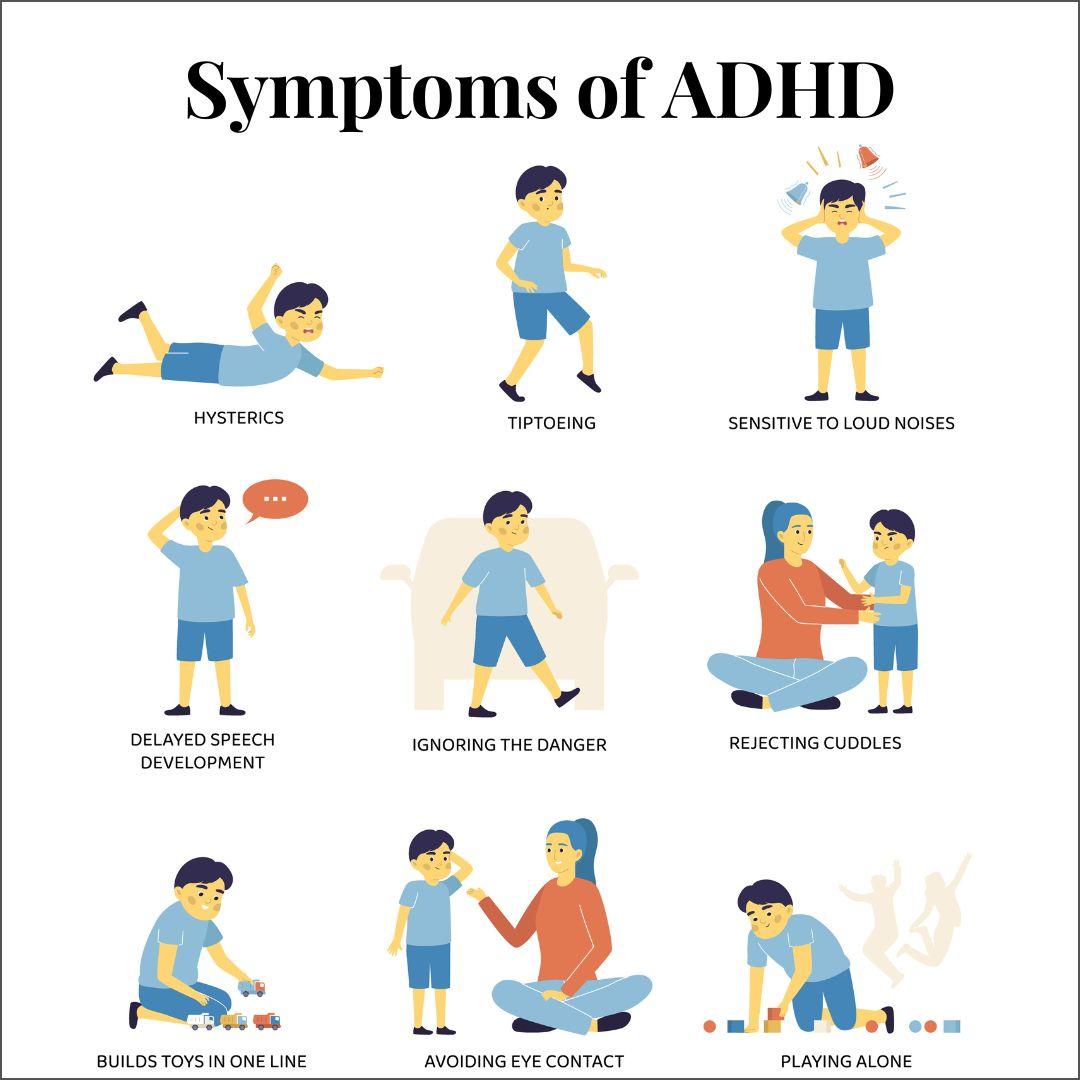
ADHD can affect attention, organization, impulse control, time management, and self-regulation. The condition may influence school, work, relationships, and everyday responsibilities, but having an ADHD diagnosis does not automatically result in disability status or guarantee insurance coverage. Those questions are decided according to the applicable legal standards, insurance policy, and the person’s functional limitations. When … Read more