
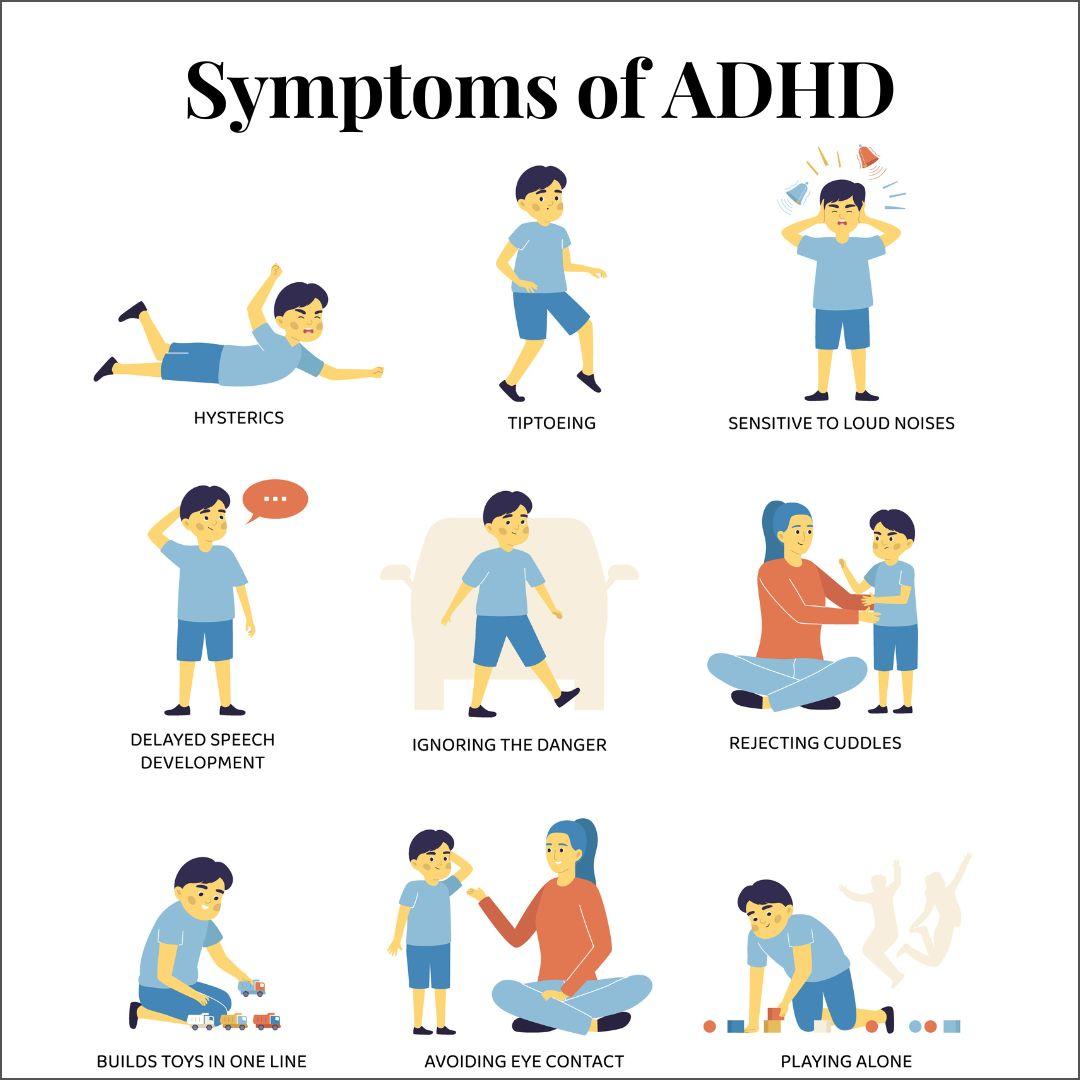
ADHD can affect attention, organization, impulse control, time management, and self-regulation. The condition may influence school, work, relationships, and everyday responsibilities, but having an ADHD diagnosis does not automatically result in disability status or guarantee insurance coverage. Those questions are decided according to the applicable legal standards, insurance policy, and the person’s functional limitations.
When can ADHD qualify as a disability?
In the United States, ADHD may qualify as a disability under laws such as the Americans with Disabilities Act (ADA) when it substantially limits one or more major life activities. These activities can include concentrating, learning, working, communicating, or managing tasks. The diagnosis itself is important, but decision-makers generally also consider how symptoms affect the individual in practice.
Disability determinations are different from one another. Eligibility for workplace or educational accommodations may use a different process from an application for government disability benefits. A person may qualify for reasonable accommodations even if they do not meet the requirements for income-based or work-related disability benefits.
Factors commonly considered
- The type, severity, and frequency of ADHD symptoms.
- How symptoms affect school, employment, daily routines, or relationships.
- Whether the limitations are persistent or expected to continue.
- The effect of treatment, including medication, therapy, coaching, or other strategies.
- Evidence from qualified healthcare professionals and other relevant sources.
What insurance may cover
Health insurance coverage varies by plan, employer, insurer, provider network, and applicable law. A plan may cover some ADHD-related services while excluding or limiting others. Potentially covered care can include diagnostic evaluations, behavioral therapy, counseling, medication management, and prescription medication. Coverage for testing, specialist visits, telehealth, or treatment for co-occurring conditions may also depend on the policy.
Before scheduling care, review the policy’s benefits, exclusions, provider requirements, deductibles, copayments, coinsurance, and out-of-pocket limits. Useful terms to search for include “behavioral health,” “psychological evaluation,” “neuropsychological testing,” “outpatient therapy,” “prescription drugs,” and “prior authorization.” The insurer can also confirm whether a particular clinician is in network and whether a referral is required.
Some insurers require approval before covering a medication, evaluation, or other service. If prior authorization applies, the healthcare provider may need to submit the diagnosis, treatment rationale, previous treatment history, or other records. Approval should be obtained before care whenever possible, although the policy should be checked for its specific rules.
If a claim is denied, request the explanation in writing and identify the exact policy provision used. Check whether the issue involves a coding error, an out-of-network provider, missing records, a formulary restriction, or a requirement that was not completed. Many plans provide an internal appeal process. Keep copies of correspondence, forms, clinical notes, receipts, and appeal deadlines. A provider’s billing office, employer benefits administrator, patient advocate, or attorney may be able to help clarify the next step.
Documentation that explains functional impact
A diagnosis alone may not show why support is needed. Strong documentation connects symptoms to specific limitations and explains the treatment being provided. Depending on the situation, useful records may include:
- A diagnostic report from a qualified professional.
- Treatment notes, medication history, and records of response or side effects.
- Examples of difficulties with deadlines, task completion, concentration, organization, or attendance.
- School records, workplace evaluations, or statements from people familiar with the person’s functioning.
- A clinician’s explanation of recommended accommodations or ongoing limitations.
Descriptions should be specific rather than general. For example, “difficulty concentrating” is less informative than explaining how distractions lead to missed instructions, incomplete tasks, or repeated errors in a particular setting.
Possible accommodations
Depending on the setting and applicable rules, accommodations may include written instructions, reduced-distraction spaces, additional time for certain tests or tasks, scheduling adjustments, organizational tools, reminders, or permission to take structured breaks. A request may require documentation, and the accommodation process generally involves discussing what support is reasonable and effective.
A sensible next-step checklist
- Ask a qualified healthcare professional to evaluate symptoms and document their effect on daily functioning.
- Read the insurance policy and contact the insurer with specific coverage questions.
- Confirm provider-network status and whether referrals or prior authorization are required.
- Keep an organized record of treatment, claims, denials, and communications.
- Seek advice from a disability advocate, benefits professional, or attorney when the issue involves a formal claim or appeal.
ADHD can be disabling for some people, but its legal classification and insurance treatment depend on the circumstances. Focusing on documented functional effects, understanding the relevant policy or law, and following the required procedures can make it easier to request care, accommodations, or benefits.

Dr. Jonathon Preston is a respected mental health specialist dedicated to helping individuals overcome challenges. With advanced training in psychology and decades of experience in the mental health field.